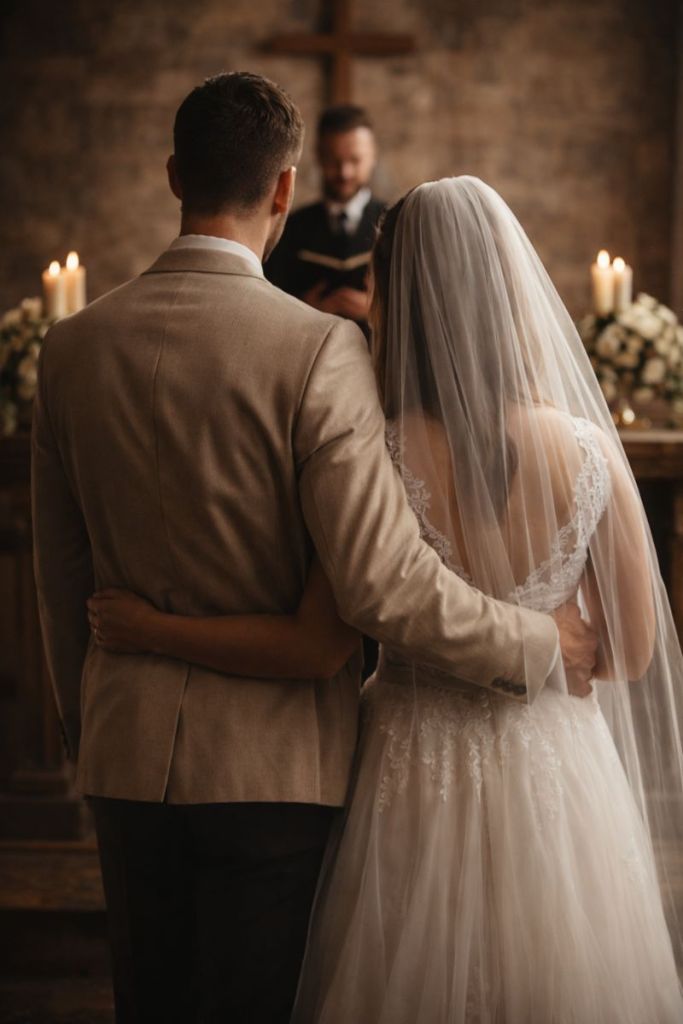
A husband walking in covenant understands that marriage exists to require something of him…..
Marriage is not presented as a partnership negotiated by preference or sustained by emotion. It is a covenant established by God, witnessed by Him, and governed by His authority. A husband enters marriage not as an owner, but as a steward—accountable to God for how he loves, leads, guards, and remains faithful to the wife entrusted to him.
Biblical headship is not domination, passivity, or self-interest. It is responsibility. From the beginning, God assigned men the weight of covenant accountability. Authority is never given for self-benefit, but for covering. A covenant husband stands as a watchman within his home, bearing responsibility before God for what he permits, what he confronts, and what he protects.
Headship exists only under Christ. Scripture never separates authority from submission. A husband does not lead independently; he leads as one who is himself led. Where submission to Christ is absent, headship becomes distorted—either expressed through control or surrendered through passivity. Both abandon God’s design. Biblical headship is exercised from beneath the authority of God, not apart from it.
A husband walking in covenant understands that love is not a feeling to be followed, but a command to be obeyed. Scripture instructs husbands to love sacrificially, patiently, and faithfully, regardless of circumstance. Covenant faithfulness is revealed not when love feels natural, but when obedience costs comfort. Love expressed in covenant is disciplined, deliberate, and enduring.
Marriage exposes the flesh. Pride, selfishness, anger, lust, fear, and passivity are brought to the surface—not to condemn, but to be confronted and refined. A covenant husband does not resist this work. He submits to it. He allows God to use marriage as a means of sanctification rather than a platform for self-fulfillment. What is not surrendered cannot be corrected. What is resisted cannot be refined.
A covenant husband learns to guard his spirit, govern his words, and discipline his desires. He does not excuse sin, justify neglect, or abdicate responsibility. He understands that his private obedience matters as much as his visible conduct. When he fails, he does not hide, deflect, or blame. He repents without qualification and returns to obedience. Headship is not proven by flawlessness, but by humility, repentance, and sustained faithfulness.
A husband walking in covenant understands that his marriage is not his possession.
It is his stewardship before God.
He will answer not for his wife’s obedience, but for his own. He will give account not for authority claimed, but for responsibility carried. Covenant headship is lived with this awareness—quietly, steadily, and without display.
This is not a role to be performed.
It is a calling to be borne.
 Echad Covenant Ministries